Key Points:
- Mild autism, or Level 1 Autism Spectrum Disorder (ASD), includes subtle challenges with social interaction and flexible thinking.
- Understanding what is considered mild autism helps parents navigate early support options more effectively.
- Level 1 autism traits often go unnoticed or are misinterpreted as personality quirks.
Sometimes, it’s not that your child can’t do things—it’s that they do them differently. Maybe they’re rigid about routines, talk in monologues, or struggle with friendships. These behaviors might not seem extreme, but they can be signs of mild autism. Knowing what to look for helps you support them early.
What Is Considered Mild Autism?
Mild autism is clinically recognized as Level 1 Autism Spectrum Disorder. It involves noticeable, but less severe, challenges in social communication and behavior flexibility. People with mild autism usually need some support, especially in high-demand environments like school or work.
What Does Mild Autism Really Look Like?
When people ask, “What is considered mild autism?” they often imagine someone who seems “just a little quirky.” That’s not far off—but the reality goes deeper. Mild autism, now categorized under Level 1 Autism Spectrum Disorder in the DSM-5, can affect how a person relates to others, adapts to change, and processes sensory input.
While it doesn’t typically involve intellectual disability or nonverbal behavior, it can still cause daily frustrations, especially in social settings. These individuals may come across as shy, rigid, or unusually focused. Yet beneath the surface, they’re often working hard to make sense of a world that feels overwhelming or confusing.
What Are Common Symptoms of Mild Autism?
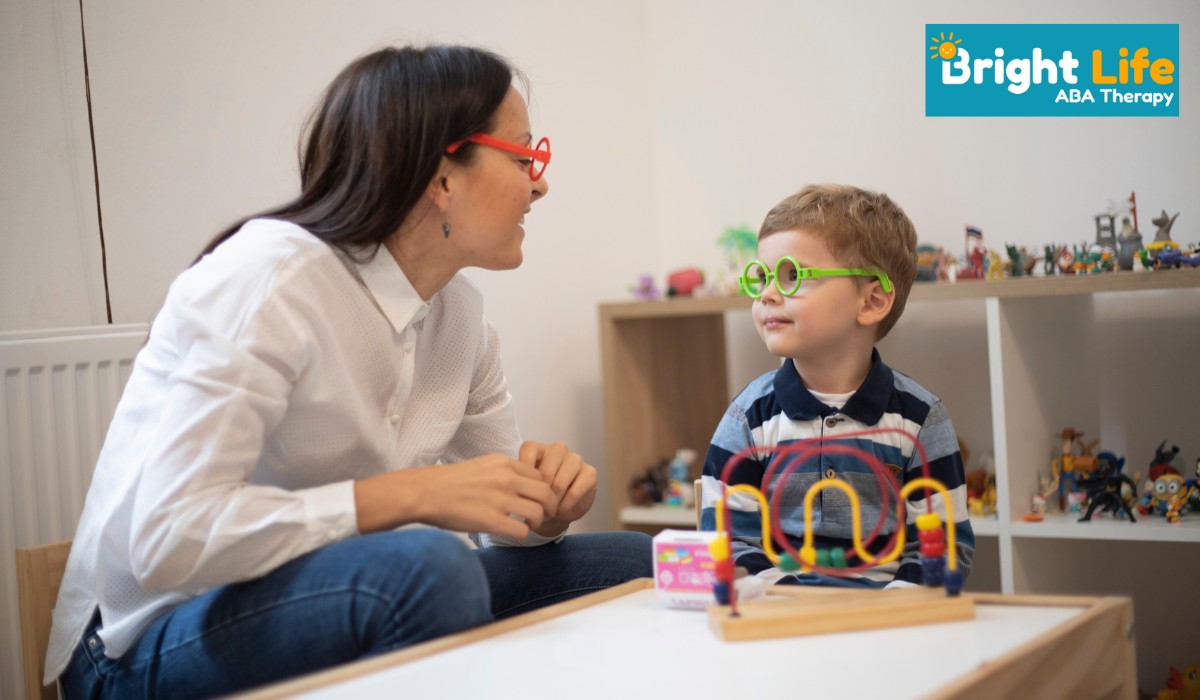
Even if symptoms aren’t as overt as in higher support levels, mild autism still presents consistent patterns. These signs can show up in school, at home, or in friendships—but they’re often brushed off as shyness, introversion, or perfectionism.
Understanding what is considered mild autism means being aware of how these behaviors manifest day to day.
Here’s what to look for:
- Difficulty with back-and-forth conversation: May speak at length on a preferred topic but struggle to ask questions or pick up on social cues.
- Literal thinking or trouble with sarcasm: Interprets language at face value, which can lead to confusion or awkwardness.
- Need for predictable routines: Even minor changes to plans can cause stress or irritability.
- Strong focus on narrow interests: Can become intensely attached to specific hobbies or topics.
- Subtle sensory sensitivities: May be sensitive to noise, textures, lights, or smells, though not to a disabling degree.

How Is Level 1 Autism Different From Other Autism Levels?
Mild autism is referred to as Level 1 ASD because it typically requires only minimal support compared to Level 2 (moderate) and Level 3 (severe) autism. But “minimal support” doesn’t mean “no support.” The needs are just more situational and nuanced.
Kids or adults with Level 1 autism often function independently in many areas of life. They may succeed academically or hold jobs. But their social difficulties and rigid behavior patterns can create barriers that aren’t always obvious to others—until they start causing burnout, anxiety, or isolation.
Here are some things that make Level 1 autism unique:
- Independence is possible, but effortful: Tasks like making friends or adjusting to new routines take extra work.
- Emotions may be hidden, not absent: Individuals often feel deeply but have trouble expressing those feelings in socially expected ways.
- Support is needed for social navigation, not daily living: They may not need help dressing or eating, but struggle in social groups or new environments.
Can Someone Have Mild Autism and Still Seem “Normal”?
Absolutely—and this is why so many parents miss the early signs. Children with mild autism often blend in, especially if they’re academically advanced or verbally articulate. But just because a child “seems fine” doesn’t mean they aren’t struggling internally.
The phrase “what is considered mild autism” exists precisely because the signs aren’t always loud. Many kids are able to “mask” their symptoms—imitating neurotypical behaviors in public but feeling exhausted afterward. This masking can delay diagnosis or lead to misunderstandings about their behavior.
What Should You Do If You Suspect Mild Autism?
If you’re asking yourself, “What is considered mild autism?” because your child is showing some signs, the best thing you can do is seek a professional evaluation. A developmental pediatrician, psychologist, or licensed behavior analyst can help clarify whether your child’s traits meet the criteria for Level 1 ASD.
Don’t wait for things to get “bad enough.” Early insight allows for early intervention, which research shows leads to better long-term outcomes in behavior regulation, school success, and social connection.
How Can Parents Support a Child With Mild Autism?
Once parents understand what is considered mild autism, the next step is knowing how to support it. Thankfully, early and tailored support can make a huge difference, especially if the approach is proactive rather than reactive.
The goal isn’t to “fix” the child, but to help them build the skills they need to thrive socially, emotionally, and behaviorally. It also means making the child’s world a little more predictable and giving them tools to manage the unpredictable.
Here are some ways to offer meaningful support:
- Use visual schedules and routines: Helps reduce anxiety and increase independence.
- Practice social scripts at home: Gives your child tools for real-world conversations.
- Validate their sensory needs: Provide noise-canceling headphones, soft clothing, or quiet breaks when needed.
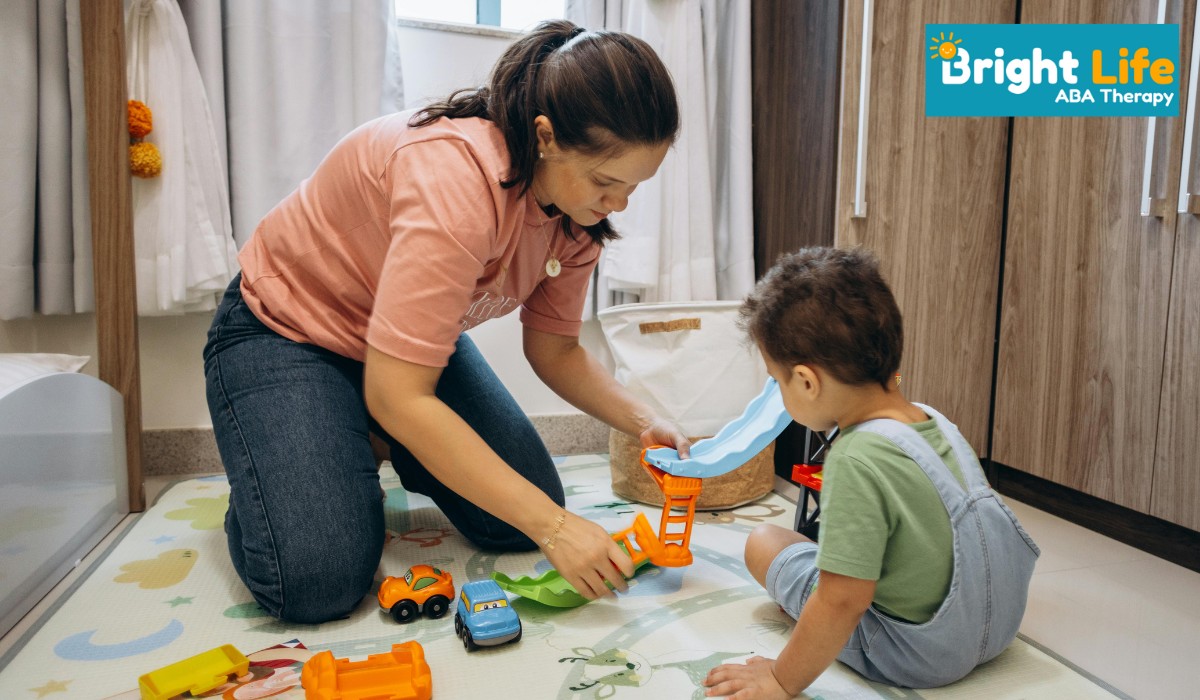
- Partner with a behavior specialist: ABA therapy or social skills groups can offer structured growth in a supportive setting.
Why Understanding Mild Autism Matters
Understanding what is considered mild autism helps reframe your expectations. You might have a child who is incredibly bright but melts down when routines change. Or maybe they’re funny and kind, but never get invited to birthday parties. These aren’t just personality quirks—they may be cues that your child sees and feels the world differently.
Recognizing those cues gives you power. It opens the door to support, compassion, and tools that can change your child’s life, not by forcing them to be someone they’re not, but by helping them become the best version of who they already are.
Support Your Child’s Growth With ABA Therapy
If your child shows signs of mild autism, Applied Behavior Analysis (ABA) therapy can provide meaningful, individualized support. This evidence-based approach helps children build essential skills and thrive in daily life.
At Bright Life ABA, we offer ABA therapy in Maryland and Indiana, designed around your child’s unique strengths, interests, and goals. Whether you’re just beginning to explore the autism spectrum or already navigating a diagnosis, our team is here to guide you with care and clarity—one step at a time.
Ready to begin this journey? Contact us today for compassionate, science-driven support that helps your child grow with confidence and independence. Together, we’ll help unlock their full potential.