
• Early autism detection starts with recognizing subtle developmental red flags between ages 1–3.
• Autism symptoms from age 1–3 often appear in communication, social interaction, play skills, and sensory responses.
• Identifying early signs of autism in toddlers can help families seek support sooner and build a clearer path forward.
When you’re raising a toddler, every new milestone feels important. A new word, a smile, a shared moment, or even a simple point of the finger gives clues about how your child is growing. But when something feels “off” or different, parents often find themselves worrying in silence. If you clicked on this article, you may be noticing small behaviors that leave you wondering whether they are typical quirks or early signs of autism.
Understanding autism in toddlers can feel overwhelming, especially when symptoms are subtle, uneven, or appear gradually. This guide is designed to help you recognize the early signs of autism in toddlers, understand developmental red flags, and learn what steps to take if you have concerns. It aims to replace fear with clarity and help you feel more confident about your child’s development.
What Autism Looks Like in Toddlers
Autism is a developmental difference that affects communication, social interaction, and behavior patterns. In toddlers, these signs can appear early, even between 12 to 18 months, though every child may show symptoms in their own way.
According to the CDC, about 1 in 36 children in the United States is diagnosed with autism. Early autism detection can make a meaningful impact on a child’s developmental progress, which is why paying attention to early behaviors matters.
Early Signs of Autism in Toddlers: What to Watch For
The early signs of autism in toddlers can be easy to overlook because toddler development is naturally unpredictable. But when certain behaviors persist or grow more noticeable over time, they may indicate autism symptoms from age 1–3.
Limited Eye Contact
Some toddlers glance at people briefly before looking away, but children with autism may consistently avoid eye contact. They may not look at your face during feeding, diaper changes, or shared play moments.
Eye contact doesn’t have to be intense or constant, but a noticeable absence, especially after 12 months, can be an early developmental red flag.
Delayed or Unusual Communication
This is one of the signs parents often notice first. Delays can appear in speech, gestures, or social communication. Signs may include:
• Not using single words by 16 months
• Not using two-word combinations by age 2
• Limited babbling or reduced variety in sounds
• Minimal gestures like pointing or waving
• Using your hand as a tool instead of communicating directly
Sometimes toddlers develop a few words and then lose them. This regression can be concerning and is a recognized sign of autism.
Lack of Social Reciprocity
Toddlers exploring autism may appear more “in their own world.” You may notice:
• Limited interest in other children
• Not responding consistently to their name
• Not seeking comfort or showing shared enjoyment
• Rarely bringing you toys or items to show interest
These behaviors suggest difficulty with social engagement, a core area affected by autism.
Repetitive Behaviors and Movements
Many toddlers repeat actions, but repetitive movements that persist or intensify may suggest autism. Examples include:
• Hand flapping
• Rocking
• Lining up toys
• Repeating the same actions for long periods
• Fascination with spinning objects
These behaviors often serve a soothing or sensory purpose for the child.
Sensory Differences
Autism symptoms from age 1–3 often include sensory responses that seem stronger or weaker than usual. You might see:
• Covering ears to certain sounds
• Excessive staring at lights or movement
• Strong sensitivity to textures, clothing, or touch
• Seeking deep pressure or movement constantly
Sensory differences alone don’t confirm autism, but paired with other signs, they may indicate an underlying developmental difference.
How Autism Appears During Ages 1–3
Understanding autism in toddlers often involves looking at how behavior changes as they move from infancy to early childhood. During ages 1–3, development typically becomes more social, communicative, and exploratory. When these areas progress differently, parents may begin noticing consistent patterns.
Between 12–18 Months
This stage is often where early autism detection begins. Key signs may include:
• Limited pointing or showing
• Not turning to their name
• Delayed babbling
• Few attempts to imitate sounds or actions
• Little interest in back-and-forth play
If a toddler doesn’t engage in simple imitation, such as clapping when you clap, this can be a developmental red flag.
Between 18–24 Months
This is when social and communication skills become more noticeable, and differences may stand out. You might observe:
• Difficulty following simple instructions
• Limited pretend play
• Fewer facial expressions
• Playing alone for long periods
Some toddlers show strong preferences for routines or objects and may become upset when things change.
Between 24–36 Months
Autism symptoms from age 1–3 often become clearer by age two or three. Parents may notice:
• Speech delays that persist or widen
• Limited peer interaction
• Repetitive play without symbolic or pretend elements
• Strong sensory reactions
• High distress during transitions or unpredictability
By age three, most children engage in simple imaginative play. If a toddler is still primarily lining up toys or repeating the same play sequences, this can be a sign worth discussing with a professional.
Developmental Red Flags Parents Shouldn’t Ignore
Not every developmental delay signals autism. However, certain red flags deserve attention. These may not always indicate autism specifically, but they do point to the need for a developmental evaluation.
Red Flags Related to Communication
• No babbling by 12 months
• No words by 16 months
• No meaningful two-word combinations by age 2
• Loss of language skills
These signs overlap with many early autism indicators and should be addressed promptly.
Red Flags Related to Social Skills
• Limited smiling or shared enjoyment
• Lack of interest in peers
• Avoiding interaction or touch
• Not responding when spoken to
Social differences often appear before communication delays, making them valuable early clues.
Red Flags Related to Behavior
• Inflexibility with routines
• Strong distress with unexpected changes
• Repetitive actions that persist
• Unusual sensory responses
These may reinforce concerns when paired with communication or social differences.
Why Early Autism Detection Matters
When parents understand the early signs of autism in toddlers, they can seek support earlier. Early autism detection helps professionals tailor interventions during a time when the brain is rapidly developing.
Research shows that early intervention can improve long-term outcomes in communication, daily living skills, and social interaction (source: https://www.ncbi.nlm.nih.gov/pmc/articles/PMC6034700/). Children often make more progress when services begin before age three.
Parents who act early also gain clarity. Instead of wondering whether a behavior is “normal,” they receive guidance and strategies that match their child’s needs. Whether a child receives an autism diagnosis or not, early support can strengthen their developmental path.
What to Do if You Notice Possible Signs
Recognizing early signs is the first step. Knowing what to do next is equally important.
Schedule a Formal Developmental Evaluation
Start by consulting your pediatrician. You can request a developmental screening, followed by a referral to a specialist if necessary. Evaluations may include:
• Pediatric developmental assessments
• Speech-language evaluations
• Autism-specific tools like ADOS-2
The goal is to understand your child’s strengths and challenges so you can plan next steps clearly.
Document Behaviors
Keep notes or videos of behaviors that concern you. These can help professionals observe patterns, especially if your child behaves differently outside clinical settings.
Explore Early Intervention Services
For children under age three, Early Intervention programs (EI) are available in most states. These programs provide therapies that support communication, behavior, and social development. You don’t need an autism diagnosis to receive EI services.
Learn Support Strategies at Home
Parents play an essential role in early support. Simple strategies include:
• Following your child’s lead during play
• Creating routines to help your child anticipate transitions
• Using visual cues and gestures
• Modeling simple words and sounds
• Encouraging imitation through daily play
Early home strategies help your child feel secure and engaged even before formal services begin.
Supporting Your Toddler While Watching for Signs
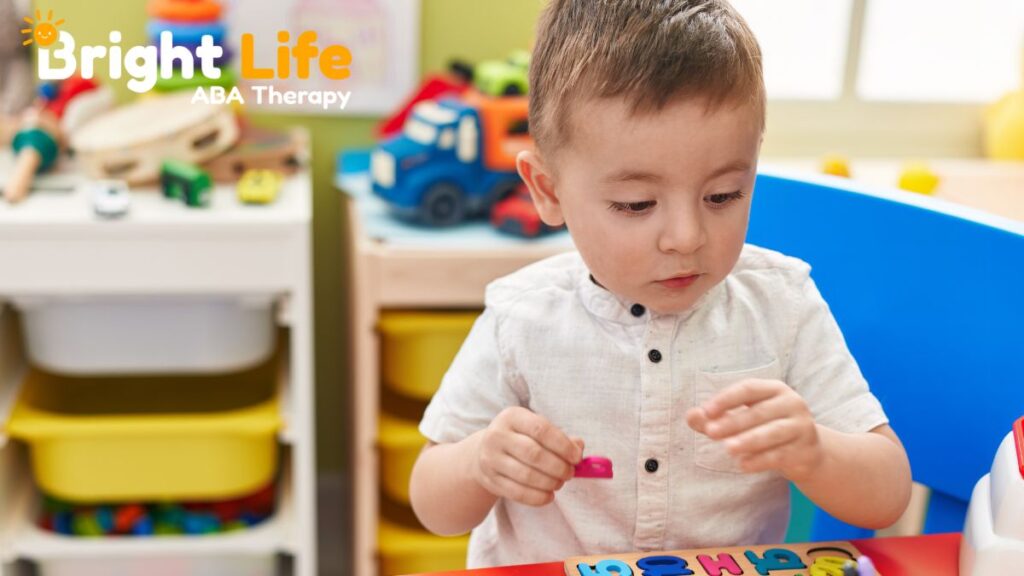
Waiting for evaluations or clarity can be stressful. Many parents feel caught between worry and hope. The best approach is to focus on supportive, consistent interactions that help your toddler thrive regardless of diagnosis.
You can:
• Create predictable routines
• Offer sensory experiences your child enjoys
• Keep communication simple and clear
• Use play as a bridge to connection
• Encourage any attempt at communication
Even small adjustments can build confidence and connection during uncertain times.
A Parent’s Perspective: When Something Feels Different
Many parents describe a gut feeling that emerges long before a diagnosis. They may notice their toddler not responding to their voice, not engaging with siblings, or showing repetitive play they can’t explain.
It’s important to acknowledge that noticing these signs doesn’t mean you’re imagining things or worrying too much. It means you’re tuned in to your child. Early detection begins with a parent deciding to pay attention and seek guidance.
Moving Forward With Clarity

Understanding autism in toddlers is often an emotional journey for families. You may feel uncertain at first, but recognizing developmental red flags and early signs of autism can empower you to seek the right support. Autism symptoms from age 1–3 may show up in communication, play, sensory responses, and social interaction. When parents respond early, children benefit from structured support that helps them build skills at their own pace.
If your child is showing signs that concern you, exploring ABA therapy can provide meaningful guidance. ABA focuses on building communication, daily living skills, and positive behavior patterns, making it one of the best-supported approaches for young children on the autism spectrum.
Start early and take the next step

If you’re noticing early signs and want clarity or guidance, Bright Life ABA is here to help. Our team provides ABA therapy in Indiana and Maryland, offering structured, individualized support designed around your child’s needs. Early intervention through ABA therapy at Bright Life ABA can help your toddler build essential communication and social skills while giving you practical strategies to use at home.If you’re ready to learn more or explore next steps, reach out to us. The sooner you start, the more support your child will have during these important early years.