
Key Points:
- Early behavioral signs like delayed communication or social withdrawal can signal the need for ABA.
- Acting quickly maximizes treatment impact during the brain’s plastic period.
- Trust your instincts, evaluation and support can begin before a full diagnosis is confirmed.
Many parents wonder when a child’s unique behaviors signal the need for early intervention. You might notice your toddler avoiding eye contact, struggling to respond to their name, or losing words they once used. These signs can feel confusing and even overwhelming, but they don’t always mean something is “wrong.”
Early ABA intervention focuses on identifying developmental gaps while building foundational communication, social, and learning skills before they widen. Understanding when to act can make all the difference. In this guide, you’ll learn what signs to watch for, why early ABA matters, and how timely support can positively shape your child’s growth and confidence.
Why Early Intervention Matters

The Science of Plasticity and Early Learning
Young children’s brains are highly adaptable. This “plasticity” means that behaviors, skills, and connections are more malleable in the earliest years. Intervening during this window gives greater opportunity for shaping positive pathways. Studies show that children who begin intervention at younger ages tend to experience more improvements in social, communication, and adaptive skills.
One meta-analysis of ABA and related behavioral interventions found consistent evidence of improved outcomes in children with autism employing ABA-based methods.
Reduced Entrenchment of Maladaptive Behaviors
When certain challenging behaviors (e.g. aggression, repetitive actions) aren’t addressed early, they may become entrenched, response patterns that are harder to shift later on. Early ABA can help reduce the severity and frequency of these behaviors, proactively replacing them with more functional alternatives.
Better Long-Term Outcomes
Children who receive early intervention often show gains in IQ, language, adaptive living skills, and social functioning. Some even eventually no longer meet diagnostic criteria for autism.
A controlled study published by Autism Speaks revealed that toddlers as young as 18 months, with early behavioral therapy, showed stronger improvements in IQ, communication, and social interaction.
Thus, once early signs emerge, or are strongly suspected, waiting for a perfect diagnosis before acting may miss a critical window.
When Should You Start Considering ABA?
At First Signs of Delay or Concern
You don’t need to wait for an official diagnosis to explore support. If you notice developmental differences or red flags, early consultation is prudent. Many ABA providers offer developmental screening or early consultations even while diagnostic processes continue.
Leading guidelines recommend autism screening at 18 and 24 months; parents and pediatricians alike should remain vigilant for deviations from typical developmental trajectories.
Ideally Between Ages 2 to 5
While earlier is generally better, research often focuses on ages 2 to 6 as a strong window for intervention. One study comparing children aged 3 to 4 showed that even a one-year difference in starting ABA can influence treatment outcomes.
If signs appear after age 5, intervention may still confer benefits, but the gains may not be as pronounced, and some behaviors may be more resistant to change.
When Challenging Behaviors Escalate
It’s not only delays in communication or social skills that warrant attention. If you observe self-injury, aggression, frequent meltdowns, or behaviors that disrupt safety or learning, these are serious indicators that behavioral intervention should begin as soon as possible.
Signs That Parents Should Monitor
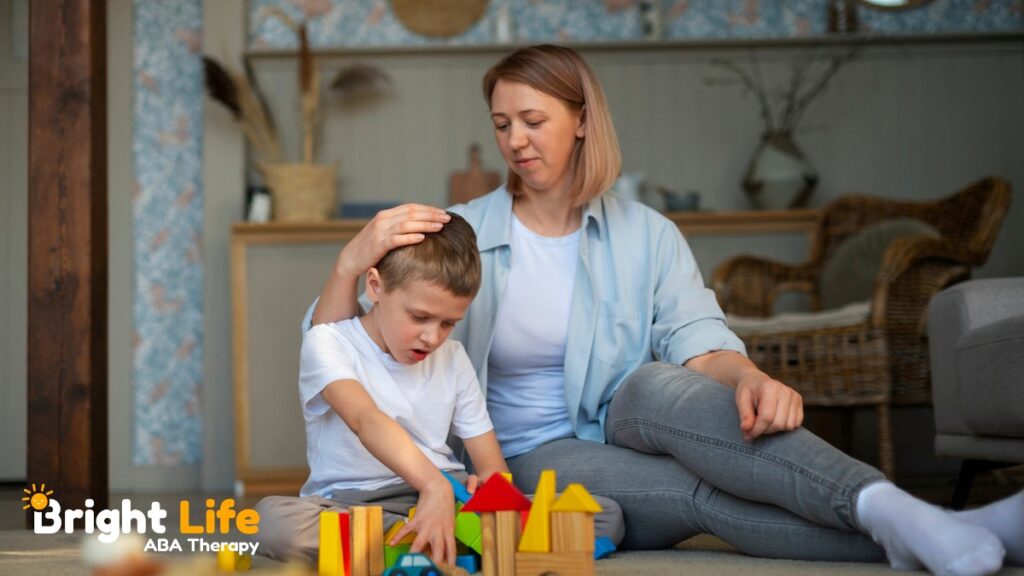
Below is a practical, age-sensitive guide to early signs that suggest your child may benefit from ABA intervention. These are warning signals, not guarantees, but when you see several, it is wise to seek evaluation.
6 to 12 Months
In this early phase, parents may notice:
- Little to no response when their name is called
- Poor or inconsistent eye contact
- Lack of joint attention (not following someone’s pointing or gaze)
- Limited or no babbling or vocalizations by 9–12 months
- Absence of gestures (pointing, waving) by 12 months
If any of these signs concern you, it’s worth discussing with your pediatrician or a developmental specialist and asking for a referral or screening.
12 to 24 Months
In this more active developmental period, watch for:
- Delay in first meaningful words (by 16–18 months) or low expressive vocabulary by 24 months
- Regression or loss of previously acquired words or social skills
- Very limited social interaction, preferring solitary play
- Repetitive behaviors or restricted interests (lining up objects, spinning, hand flapping)
- Resistance or distress over small changes in routine or transitions
- Trouble with simple pretend play, imitation, or social games
- Difficulty responding to social gestures (smiling back, pointing)
When several of these are present, initiating a developmental evaluation and early support is prudent, even before all formal criteria are met.
24 Months and Beyond
As the child ages, concerns may become more visible in daily functioning and schooling:
- Limited conversational ability or difficulty answering questions
- Poor social reciprocity or difficulty making friends
- Persistent or escalating challenging behaviors (tantrums, aggression, self-injury)
- Inflexible thinking, rigidity with rules or transitions, insistence on sameness
- Difficulty adjusting to new environments (e.g. preschool), sensory sensitivities interfering with function
Even beyond 3 or 4 years, ABA can still help, though starting earlier offers more advantage.
How to Take Action, Next Steps for Parents

1. Document Observations
Keep a journal or log of the behaviors or differences you notice:
- When did you first notice it?
- Under what circumstances does it occur?
- What seems to trigger or calm it?
- Frequency, duration, context.
This helps professionals understand patterns and severity.
2. Speak with Pediatric or Developmental Specialist
Express your concerns clearly and share your observations. Ask for a developmental screening, formal evaluation, or a referral to professionals familiar with early autism and behavior analysis.
3. Explore Early Consultation or Pilot Support
Some providers offer developmental consultation or early intervention support services even before a full diagnosis is given. This lets your child begin work on foundational skills as assessments take place.
4. Choose a Quality ABA Program
When selecting a provider, consider:
- Credentials of staff (e.g. Board Certified Behavior Analysts, licensed therapists)
- Evidence-based methods (e.g. discrete trial training, naturalistic teaching)
- Family involvement (parent coaching, incorporation into everyday routines)
- Progress monitoring and outcome transparency
- A program that evolves as your child grows
5. Engage Consistently and Collaborate
Your role remains pivotal. Be consistent in applying learning opportunities at home, maintain open communication with your child’s team, and stay involved in goal-setting and progress review.
Common Concerns and Misconceptions
“My child is simply shy or late, it doesn’t mean autism.”
Correct, some children are late bloomers. But if delays are combined with social or behavioral differences (especially repetitiveness, regression, rigidity), vigilance is warranted. Proper evaluation rules out or confirms possibilities.
“I should wait for a formal diagnosis before starting anything.”
Waiting can cost critical time. Many programs allow interim support. Research supports acting on strong signs rather than waiting for perfect certainty.
“ABA is too rigid or behaviorist, will it harm my child’s natural personality?”
While early ABA relies on structured learning, modern ABA programs integrate play, naturalistic techniques, choice, and flexibility to respect each child’s preferences and strengths.
Take the First Step: Start Early ABA Intervention With Confidence
Every child develops differently, but timely support can make a profound difference. Early ABA therapy helps identify developmental delays before they widen, using proven strategies to nurture communication, independence, and emotional connection. At Bright Life ABA, our compassionate team provides individualized support plans to help children thrive from the start.
We understand how uncertain the early years can feel, and we’re here to help you find clarity and hope. If you’re in Indiana or Maryland, reach out today to learn how early intervention can set the foundation for lifelong growth, confidence, and success.