
Key Points:
• Siblings benefit from clear explanations of autism that match their age and emotional readiness.
• Supportive routines, shared activities, and intentional one-on-one time help strengthen sibling relationships.
• Parents can guide healthy communication and model empathy to create a home environment where all children feel understood and connected.
When a child is diagnosed with autism, the entire family begins a new journey. Parents often carry the emotional weight of navigating therapies, routines, and behavior plans. But siblings also experience changes that can feel confusing or overwhelming. Many parents search for guidance on helping siblings understand autism and maintain strong family bonds.
This article offers practical, compassionate strategies to help siblings understand autism, build meaningful relationships, and feel supported within the family. Whether you have toddlers, teens, or a mix of ages, these insights can help your family grow together in healthy and positive ways.
Autism and New Siblings: When a Growing Family Brings Big Emotions
Introducing a new sibling into any family can be a major adjustment. When autism and new siblings enter the picture together, emotions can feel even more intense. A child may not understand why their autistic sibling reacts differently to the baby’s cries or why routines change so quickly.
You can support your children by preparing them early for what to expect. Talk honestly about sensory differences, communication styles, and shared routines. Let your children know that every sibling brings their own strengths and challenges. Creating space for questions helps everyone feel included.
For older children, you can explain how autism might affect development and behavior without labeling their sibling as difficult or incapable. Siblings often feel more secure when they have clear, age-appropriate answers.
Understanding Autism and Sibling Relationships
Autism and sibling relationships can be rich, meaningful, and deeply rewarding. Yet siblings may also feel confused, jealous, protective, or frustrated at times. Behavior differences, communication challenges, and attention shifts can create tension if not addressed with clarity and compassion.
Studies show that siblings of autistic children may experience both unique stressors and unique strengths, including empathy and patience. A review published by the National Institutes of Health found that siblings often benefit from structured support that helps them understand behaviors and build coping strategies.
Giving siblings information, tools, and opportunities to connect allows them to form healthy bonds without pressure.
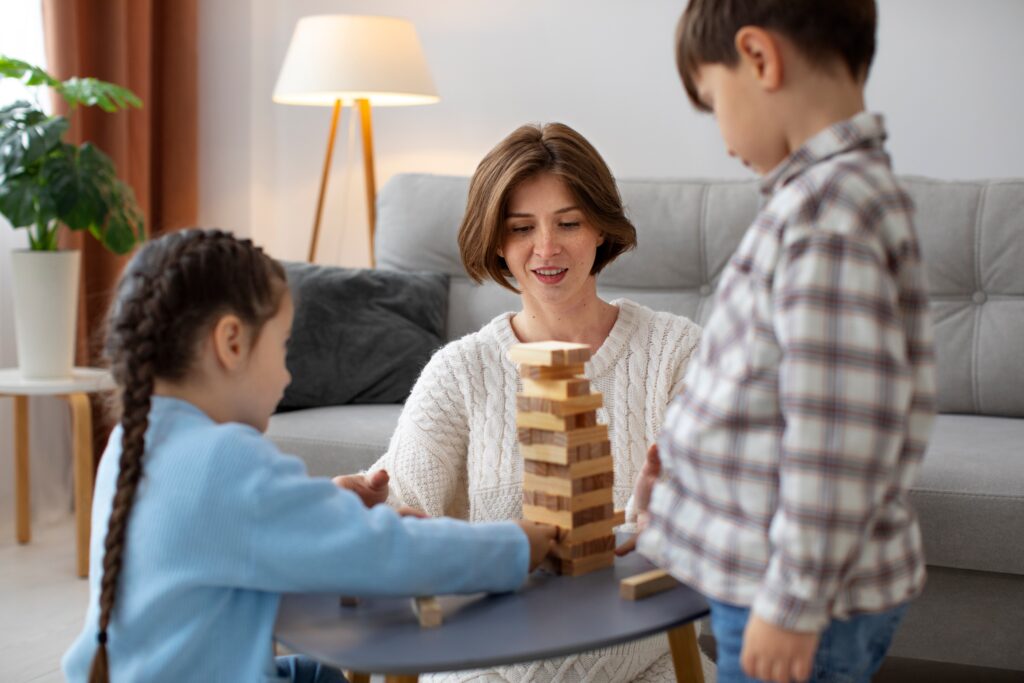
Explaining Autism to Siblings in Simple, Honest Ways
Explaining autism to siblings can be a turning point in how they relate to each other. When siblings understand why certain behaviors occur, they feel less confused and more prepared to respond with patience.
Tips for explaining autism to siblings:
• Use simple language that fits their age.
• Describe autism as a difference, not a flaw.
• Highlight strengths and unique qualities of the autistic child.
• Be honest about challenges without creating fear or pity.
• Encourage siblings to ask questions anytime.
For example, you might say:
“Your brother’s brain works differently. Loud noises feel too loud, and new things can be hard. But he learns and grows every day, just like you.”
This gives a child a clear, respectful understanding without overwhelming them.
Creating a Home Environment Where Siblings Feel Seen and Supported
A sibling of an autistic child may feel overlooked when the autistic child’s needs require more time or attention. Small changes can make a big difference.
Keep communication open
Ask how they feel, whether they need more time with you, or if they have questions.
Provide one-on-one time
Consistent individual time helps siblings feel valued and reduces feelings of competition.
Acknowledge their emotions
Siblings may feel proud, frustrated, confused, or protective. All feelings are valid.
When siblings feel seen, they are more able to understand and support their autistic brother or sister.
Helping Siblings Build Empathy Without Pressure
While we want siblings helping each other to occur naturally, it shouldn’t feel forced. Children should never feel responsible for their sibling’s behavior or development.
Parents can model empathy by naming emotions, offering calm responses, and validating everyone in the room. Over time, siblings learn by watching these interactions.
Encourage supportive behaviors, such as waiting, sharing, or offering help, but avoid turning siblings into “junior therapists.” The goal is connection, not perfection.
Strengthening Autism and Sibling Relationships Through Shared Activities
Shared experiences help siblings bond and build trust. Look for activities that both children enjoy, even if modifications are needed.
Examples of helpful shared activities:
• Simple board games with visual supports
• Outdoor play, like chalk, swings, or bubbles
• Parallel play activities where each child does a similar task
• Sensory-friendly activities like water play or kinetic sand
• Matching chores that encourage teamwork
These routines help siblings practice cooperation and communication in natural, enjoyable ways.
Using Resources for Siblings of Autism to Support Understanding
Resources for siblings of autism can make a powerful difference. These tools help children process emotions, ask questions, and explore their role in the family.
Helpful sibling resources may include:
• Storybooks about autism
• Social stories created by parents or therapists
• Support groups for siblings
• Short videos explaining autism in kid-friendly language
• Simple visual aids showing communication methods or routines
Providing these resources shows siblings that they are an important part of the learning process.
Guiding Siblings on How to Interact During Challenging Behaviors
Challenging behaviors can be tough for siblings to witness or experience. Preparing them ahead of time builds confidence and safety.
Explain to siblings:
• That the behavior is communication, not intentional harm
• That staying calm and giving space often helps
• That an adult will handle behavior strategies
• That they can always come to you if they feel unsure
This helps reduce fear and sets healthy expectations.
You might say:
“When your sister gets overwhelmed, she might yell. When that happens, it helps her if we keep things calm. I’ll stay with her, and you can stay close to me if you want.”
This teaches empathy without placing responsibility on the sibling.
Helping Siblings Develop Their Own Identity and Strengths
It is important that the sibling of an autistic child has their own space to grow and thrive. Encourage hobbies, friendships, school involvement, and passions independent of autism.
Giving siblings unique outlets helps them feel balanced and reduces resentment. It reinforces that everyone in the family is valued for who they are, not just for their role in supporting another child.
Encouraging Siblings Helping Each Other in Healthy Ways
When children are ready, they can support each other in meaningful ways. Examples include:
• Modeling a skill like brushing teeth
• Encouraging a brother or sister to try a new game
• Sharing toys with structure
• Practicing turn-taking
• Helping with simple communication prompts
These small acts build trust and strengthen sibling relationships without making a child feel responsible for complex behaviors.
Two Lists to Support Sibling Connection
Ideas for strengthening sibling relationships
• Create a shared bedtime routine such as reading together
• Set aside a weekly “siblings only” playtime
• Rotate choosing activities so each child feels included
• Use praise when siblings show patience or kindness
Common questions siblings may ask
• “Why does my brother talk differently?”
• “Why does my sister get upset so fast?”
• “Why do you spend more time helping him?”
• “Will she always be this way?”
Answering these honestly builds long-term trust.
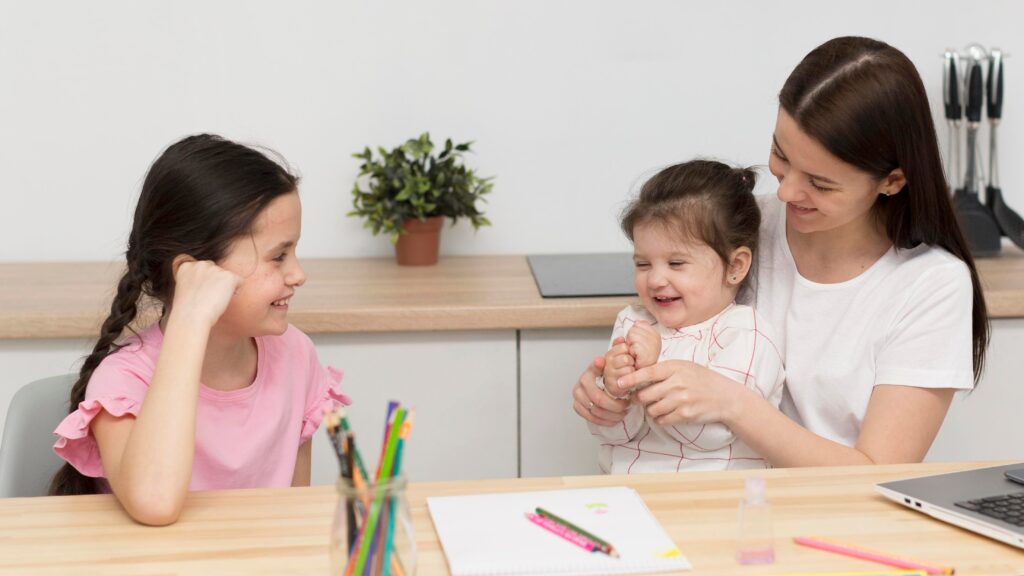
A New Perspective: Seeing Each Child’s Needs Clearly
Each child in your home has their own way of experiencing the world. Helping siblings understand autism starts with openness, acceptance, and consistency. Families grow closer when children feel heard and when parents guide them through emotions with patience.
Siblings do not need to be perfect. They simply need support, information, and opportunities to build relationships at their own pace.
Growing Stronger Together Through Understanding and Support
Helping siblings understand autism is one of the most meaningful ways to strengthen your family. When children learn about autism in age-appropriate terms, they understand their sibling’s behaviors without confusion or fear. When they experience empathy, fairness, and unconditional support, they build bonds that last a lifetime.
With guidance, shared routines, and open communication, siblings can develop relationships rooted in mutual respect and connection. ABA therapy can help support communication, behavior, and daily living skills, making sibling interactions smoother and more predictable. Families benefit when children understand each other and feel equipped to grow together.
If your family could benefit from structured guidance, communication support, or more tools for building healthy sibling relationships, Bright Life ABA can help. Bright Life ABA provides ABA therapy services in Indiana and ABA therapy services in Maryland, offering personalized programs tailored to your child’s needs. With collaborative support, your family can build stronger, more connected relationships at home. Contact us for more information today.