
Key Points:
• ABA at home helps children learn new skills within familiar daily routines and moments.
• Parents can use simple ABA strategies like reinforcement, prompting, and structured choices throughout the day.
• Practical, consistent home-based ABA techniques support communication, behavior, and independence.
Parents searching for help with ABA at home usually want the same thing: realistic strategies they can use during everyday routines. Many caregivers feel unsure about how to apply ABA instruction outside of therapy sessions or feel overwhelmed by the idea of “doing it right.” This guide breaks down ABA at home into clear, doable steps so you can confidently support your child’s growth.
This article walks you through how ABA parenting works in real life, how to use common ABA techniques for parents, and what at-home ABA therapy looks like when applied naturally. The goal is to help you feel capable, prepared, and supported as you navigate daily challenges with your child.
Understanding ABA at Home in Everyday Terms
When thinking about ABA therapy for a child with autism, many imagine structured sessions with a therapist. But ABA at home also happens during everyday moments: getting dressed, meal times, play, errands, family interactions, and routines. These moments give you ongoing opportunities to help your child practice communication, behavior, and independence skills.
Research has shown that parent-implemented ABA can lead to meaningful progress. For example, a 2020 study found that parents who used structured ABA-based coaching improved their child’s communication and daily living skills.
This makes the home a powerful environment for learning.

What Makes Home-Based ABA Effective?
Home-based ABA therapy works because it connects skill-building to real-life situations. Your child learns how to use skills in the exact environment where they matter most.
ABA therapy at home by parents helps bridge the gap between therapy sessions and everyday behavior. It also gives parents a deeper understanding of why their child behaves in certain ways and how to respond with purpose.
Parents who use ABA parent resources often feel more confident in managing behaviors, supporting communication, and teaching independence. Over time, using simple ABA strategies for parents becomes part of daily interactions.
In-Home ABA Therapy: Building the Foundation
In-home ABA therapy does not require a full therapy setup. It starts with three essential components:
1. Clear expectations
Children benefit when they know what comes next. Use short instructions, visual schedules, or simple routines to make transitions smoother.
2. Consistent reinforcement
Reinforcement means giving something meaningful right after a desired behavior. Reinforcers can include attention, praise, a favorite toy, a bite of preferred food, or a short activity.
3. Tracking small goals
Monitoring behaviors or progress helps you see patterns. Using a simple checklist or notes can help target behaviors more effectively.
These elements form the core of practical ABA strategies for parents, regardless of your child’s age or developmental level.
How to Explain ABA to Parents in Clear Language
If you’re new to ABA or explaining it to relatives or caregivers, keep it simple. You can say:
“ABA helps children learn by breaking skills into small steps and using reinforcement to encourage positive behavior. We practice skills every day during normal routines.”
This explanation helps people understand the purpose behind ABA therapy techniques for parents without confusing jargon.
Turning Daily Routines Into Learning Opportunities
Home naturally provides countless moments for ABA therapy for a child with autism. Below are examples of how you can embed learning into routines.
Morning routines
Use short, clear directions like “Shirt on” and reinforce each completed step. If your child struggles with transitions, add a visual schedule or countdown.
Mealtimes
Build communication by prompting your child to request items. Start with single words, gestures, or pointing, depending on their level.
Playtime
Model simple play actions and reinforce when your child imitates you. Use ABA instruction to teach turn-taking, waiting, and sharing.
Bedtime
Use a predictable routine with visuals. Reinforce calming behaviors like brushing teeth or putting toys away.
These small, consistent efforts create powerful learning opportunities.
ABA Techniques for Parents: Core Tools to Use Every Day
Below are ABA techniques for parents that can be used throughout the day without creating a therapy-like environment.
Positive reinforcement
Catch your child doing something desirable and respond right away with praise or something meaningful. Reinforcement is one of the most effective ABA therapy tips for building skills.
Prompting
Prompts help your child do a skill they cannot yet do independently. Types include verbal, gesture, physical guidance, and visual prompts. Fade prompts over time so your child becomes independent.
Modeling
Demonstrate the behavior you want to see. Children often learn faster when someone shows them how to do the action first.
Structured choices
Offer two choices to increase cooperation and reduce problem behaviors. For example, “Do you want the red cup or green cup?” This increases autonomy while guiding behavior.
Natural consequences
Let reasonable outcomes teach lessons. If a child drops a toy, the toy is temporarily not available. Natural consequences reinforce learning without punishment.
Using ABA Parent Resources to Support You
ABA resources for parents can make ABA parenting feel more manageable. Some helpful resources may include:
• Visual schedules
• First/Then boards
• Token boards
• Communication boards or AAC tools
• Behavior tracking sheets
• Short video models of skills
These tools allow you to reinforce behavior, track progress, and structure routines more easily.
ABA Therapy Techniques for Parents During Challenging Behaviors
Challenging behaviors can feel overwhelming, but ABA therapy tips help break the cycle into manageable steps.
Identify the function
Every behavior has a purpose. The four common functions include attention, escape, access to items, and sensory seeking.
Stay consistent
Responding differently each time can unintentionally reinforce the behavior.
Replace the behavior
Choose a replacement behavior that meets the same need. For example, teach a child to request a break instead of running away.
Reinforce the replacement
Strengthen the new behavior by reinforcing it more often than the problem behavior.
When used daily, these techniques reduce frustration and increase predictability for your child.
Using ABA Strategies for Parents to Build Communication Skills
Communication is a major focus for many families using ABA therapy at home by parents. Here are simple strategies:
• Pause before giving an item to encourage a communication attempt.
• Prompt gestures or simple words during routines.
• Reinforce all communication attempts.
• Model correct language without pressuring the child.
These steps help your child build expressive and receptive language skills in natural, low-stress ways.
Teaching Independence Through ABA Parenting
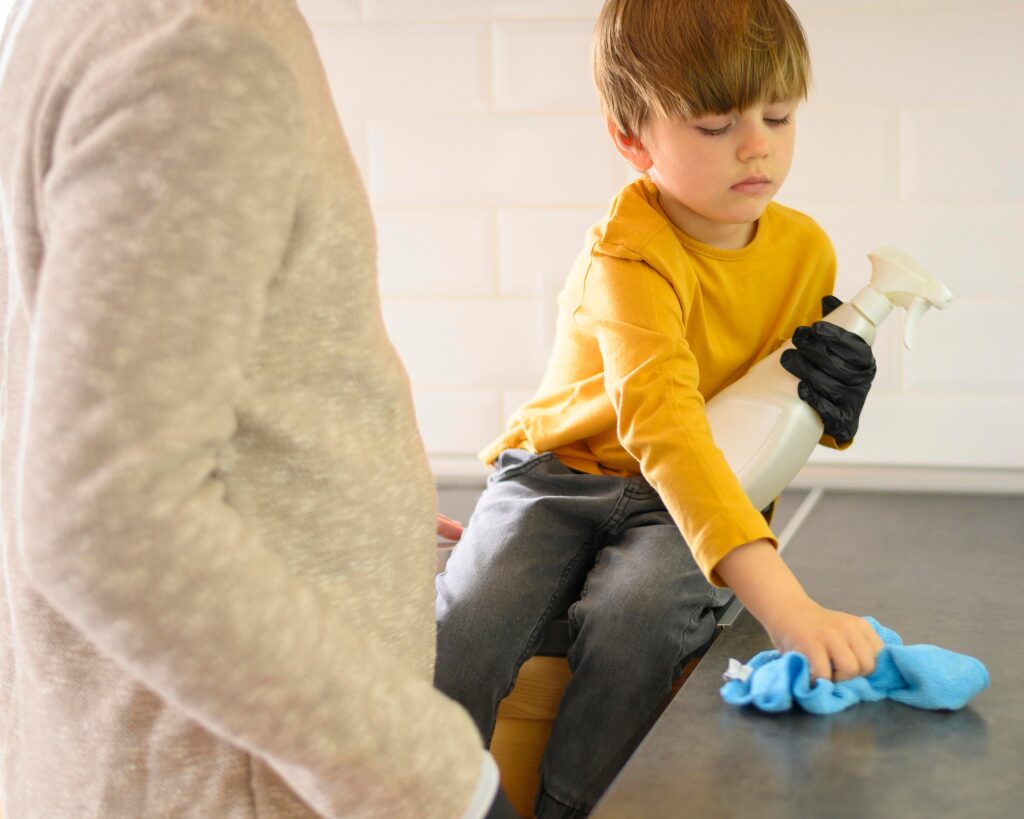
Independence skills grow gradually, and ABA parenting supports this through small, achievable steps.
Break tasks into smaller pieces
This is called task analysis. For example, brushing teeth becomes: wet toothbrush, add toothpaste, brush top teeth, brush bottom teeth, rinse mouth, clean sink.
Use prompting and fading
Guide your child through steps and slowly reduce the level of help as they master each part.
Celebrate progress
Reinforce each small victory. Many children thrive when encouraged consistently.
Two Helpful Lists for Parents
Common reinforcers to try at home
• Stickers
• Snacks
• Short videos
• Favorite toys
• Sensory activities
• Praise or high-fives
Examples of easy ABA instruction at home
• Sorting laundry by color
• Putting away groceries
• Matching utensils during cleanup
• Requesting items during snack time
• Practicing turn-taking during board games
These lists support daily routines while reducing stress.
A Fresh Outlook: Reflecting on Home-Based ABA
Supporting your child with ABA at home is a long-term journey. It brings ups and downs, and not every day feels smooth. Even small steps matter. Whether you’re reinforcing communication, practicing self-help skills, or using visual supports, you’re shaping meaningful growth.
The goal is progress, not perfection. When parents use ABA strategies with patience and consistency, children often become more confident and independent in their routines.
Guiding Your Child With Purpose Through Home-Based ABA
When used within natural routines, ABA at home offers a structured yet flexible way to support your child’s development. You do not need to be an expert to make a difference. You simply need tools, guidance, and consistency. Each moment of reinforcement, each prompt, and each structured choice helps your child learn how to navigate their world more independently.
Home is where your child feels most comfortable. This makes it one of the best environments for building communication, behavior, and daily living skills. If you want added support in using ABA therapy for a child with autism, partnering with trained professionals can help you feel even more confident.
If you’re ready to bring more structure, clarity, and confidence to your child’s daily routines, Bright Life ABA can help. We offer ABA therapy services in Indiana and ABA therapy services in Maryland, guiding families through personalized, meaningful strategies that fit naturally into home life. With a focus on collaboration and practical support, Bright Life ABA works alongside you to create a positive path forward for your child. Get in touch with us to learn about our programs.