
Key Points:
- Turn-taking underpins social communication; early practice promotes sharing, patience, and conversational skills.
- Everyday routines and simple games offer natural opportunities to learn “my turn / your turn.”
- Visual cues, imitation, and play-based activities help children internalize turn-taking without pressure or confusion.
Every family hopes to see their child connect, share, and build meaningful interactions. For children with autism, turn-taking can feel unfamiliar at first, especially when routines or communication styles differ from those around them. When this skill is taught thoughtfully and patiently, children begin to understand how to participate, wait, and enjoy back-and-forth exchanges with confidence.
Turn-taking supports learning, play, communication, and social growth. With the right guidance, families can practice this skill in natural moments at home, transforming everyday routines into opportunities for connection. This article highlights simple, effective activities that help children learn to share space, share moments, and build stronger relationships through turn-taking.
Why Turn-Taking Matters for Children
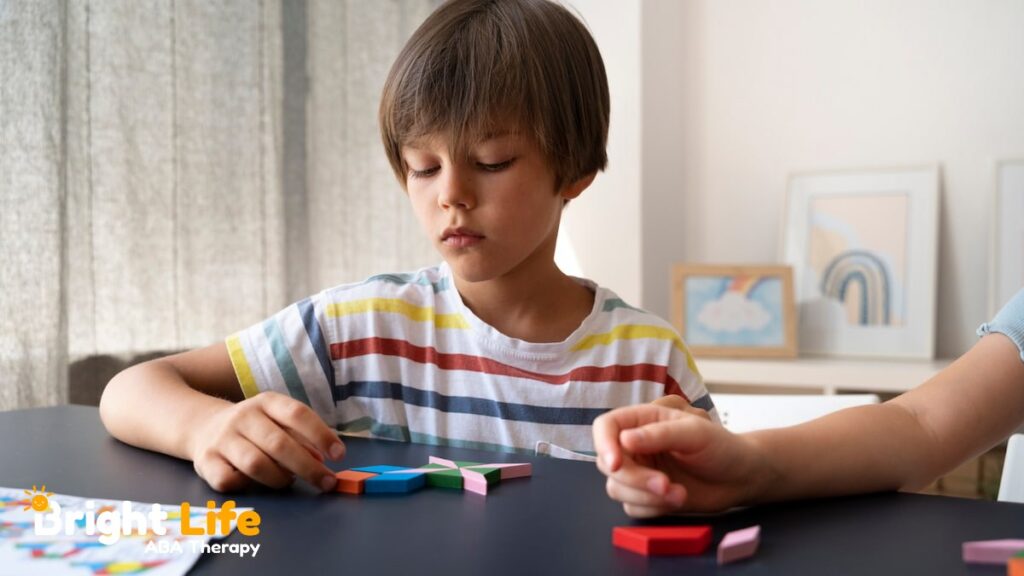
Turn-taking supports early communication, shared play, and listening. It builds patience, understanding of social rules, and prepares children for conversations and cooperative interactions as they grow.
What Turn-Taking Does for Development
Turn-taking is more than waiting for a turn with a toy. It underlies many social and communication skills. When a child learns to wait, respond, and alternate actions, they are practicing attention, listening, and sharing. These behaviors help children become aware of others, realize that others have intentions too, and adopt cooperative attitudes. In early childhood settings, consistent turn-taking helps children transition from solitary play to interactive play.
Turn-taking also forms one of the earliest building blocks for conversation. Before children speak in full sentences, they often begin by exchanging sounds, gestures, or facial expressions in response to adult prompts. This back-and-forth lays the groundwork for later verbal interaction.
Because of its importance, giving children support and opportunities to learn turn-taking early can make a big difference in how they interact with peers, siblings, or adults later on.
How to Introduce Turn-Taking at Home Gradually
Start by observing the child’s current level of interaction. Keep language and demands simple. Use imitation, pauses, and gentle cues to model turn-taking before expecting full participation.
Begin with Child-Led, Imitative Engagement
At the earliest stage, one of the most effective strategies is to follow the child’s lead. If a child makes a sound, facial expression, or movement, respond by imitating that action. This shows you notice and value their attempt at communication.
Once that rapport is established, you can gradually turn the interaction into a sequence, you do something, then wait for them to respond, then respond back, and so on. Use brief pauses to allow the child time to process and react. This pause-and-wait technique helps them anticipate that their turn matters.
During these interactions, match your language to the child’s level. If they are using sounds or single words, echo those. If they begin combining words, you may mimic that level too. The goal is to communicate attentiveness and responsiveness, not perfection.
Label Turns Clearly Using Simple Phrases and Cues
As you begin interactive play or routines, use clear and consistent language such as “my turn” and “your turn” or “your turn, then me.” This helps make the abstract concept of turn-taking concrete and understandable.
Adding physical or visual cues, for example, pointing gently, tapping yourself, or handing over an object, can reinforce whose turn it is. Visual reminders or props can also help, especially when routines involve more than one child.
At first, it may help to allow your child to have two turns for every one of yours. Once they understand they will get another turn, you can gradually balance turns and extend waiting periods.
Simple Turn-Taking Activities to Practice at Home
A variety of games and everyday tasks can serve as turn-taking practice. From rolling a ball back-and-forth to brushing hair alternately, simplicity and consistency are key to making turn-taking meaningful and fun.
Rolling / Passing Games
One of the easiest ways to practice turn-taking is through rolling or passing a ball, car, or similar toy back and forth between you and the child. This gives a clear pattern of back-and-forth that the child can observe and copy.
Similarly, pushing a toy car down a ramp or track, then waiting for the child to return a turn, helps reinforce anticipation and alternation.
These games teach not just sharing of objects but also waiting for your turn, lining up actions, and responding.
Building, Stacking, or Posting Activities
If you have building blocks, stacking cups, or simple puzzles at home, use them to take turns building a tower, putting a piece of a puzzle, or posting shapes into a box. One person adds a block or piece, then the other does, back and forth.
Simple puzzles or shape-posting boxes work well: after you place a piece, pause and wait for the child to make the next move. When they attempt it, label whose turn it is, and follow with your move. This interaction helps them understand cause and effect, as well as cooperative goal-directed activity.
“People Games” Without Toys
Turn-taking does not always require toys. Gentle games like peek-a-boo, making funny faces or sounds, or singing songs together allow a child to respond with gestures, expressions, or noises. Wait for their response, then respond back, that constitutes turn-taking too.
Tickling, gentle chase, waving, clapping hands, simple shared activities where each partner alternates, also help build the rhythm and social understanding of turn-taking.
Everyday Routines as Turn-Taking Opportunities
Daily routines like brushing hair, washing face, dressing up, or tidying up can be transformed into turn-taking exercises. For example, alternate brushing or wiping tasks, or take turns handing over clothes or items.
Even simple household tasks like handing forks during meals or passing a towel after washing hands can be referred to with “my turn” / “your turn” language. Such repetition across daily routines helps the child internalize the concept without formal structure.
When Children Struggle With Turn-Taking — What to Do
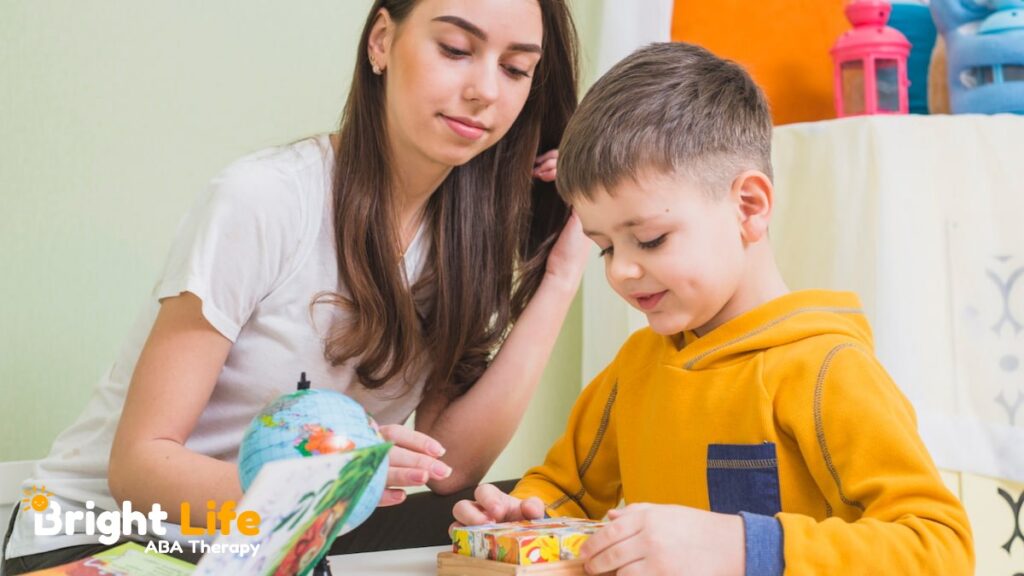
Some children may resist giving up a toy or waiting. Use gentle guidance, reduce demands, offer extra support, and slow down. Reinforce small wins and model turn-taking yourself.
Keep Expectations Aligned with Child’s Readiness
It is common for children to have difficulty waiting or relinquishing toys, this does not mean a problem. For many kids, especially younger ones, turn-taking is a new and abstract concept. Starting with you and one child gives a safe environment to practice before introducing peers or larger groups.
When a child is reluctant to give up a toy or end their turn, try giving them two turns for each of yours at first. Once they feel secure in knowing they will get another turn, gradually balance the turns more evenly.
Model patience and wait time. After your turn, pause and wait for their response. If they stall, give gentle prompts like “your turn” or gesture to indicate it’s their turn. Maintain calm and avoid pushing too hard.
Use Visual or Physical Cues When Needed
If verbal cues alone are confusing, incorporate simple visual or physical signals. A pointing gesture, a tap on a surface, or handing over an object can clarify whose turn it is. Using visual support can make turn-taking more accessible for children who struggle with language.
For older or more verbal children, using a “talking stick,” token, or other object to represent whose turn it is can make turn-taking more concrete. Similarly, a timer can help older kids learn to wait a set period before their next turn.
Turning Turn-Taking into Conversation and Social Interaction
Once a child is comfortable with physical turn-taking, gradually shift toward verbal turn-taking: alternating words, gestures, or responses. Use simple games or routines to prompt back-and-forth interaction that builds listening and speaking habits.
From Physical Play to Vocal Interaction
Physical games such as passing a ball or building can evolve naturally into conversation games. After a few rounds of play, you might comment on the activity (“Good throw”, “Your turn now”), pause, and wait for a response. This helps link physical turn-taking to verbal exchange.
When a child begins to respond with sounds or words, reinforce and expand those. Imitate their sound or word, then add a bit more language appropriate for their level. This encourages responsive communication and helps children see the connection between taking turns and speaking.
You can also use conversational games with turns: simple questions and answers, or using a token or talking stick to indicate who should speak next. For example, pass a small toy or object before speaking, then after the child speaks pass it back to indicate your turn. This helps build awareness of conversational rhythm and fairness in speaking turns.
Encourage Empathy, Listening, and Awareness of Others
As turn-taking becomes more natural, you can gently encourage the child to watch and react to social cues, eye contact, facial expressions, and wait for others to respond. This builds early empathy and respect for others’ voices.
Praise the child when they wait, respond, or hand over a toy, even if imperfect. Celebrating small successes helps them feel that their patience and cooperation are valued. Over time, these small wins reinforce positive social behavior and turn-taking becomes part of how they interact.
Practical Tips to Make Turn-Taking Work Daily
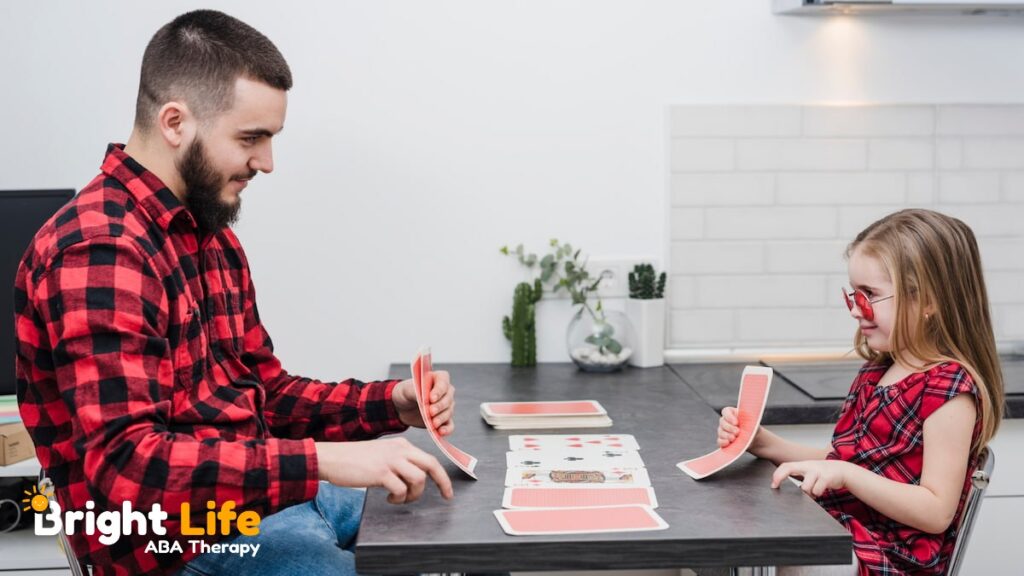
Consistency and embedding turn-taking into daily routines is key. Keep distractions minimal, adjust your language to the child’s level, and offer many opportunities across different contexts, play, chores, meals, and games
- Remove or minimize distractions (TV, devices, too many toys) so attention and interaction stay focused.
- Observe what child is interested in and join in that interest, your involvement helps make turn-taking meaningful and motivating.
- Use the same language phrases consistently (“my turn,” “your turn,” “who’s next?”) so the child becomes familiar with them.
- Be patient and allow pauses, children may need extra time to process and respond, especially if they are very young or still learning.
- Gradually increase complexity: start with you and child, then move to siblings or peers; from physical play to verbal exchanges.
With consistent practice, turn-taking becomes a natural part of how children play, communicate, and collaborate. These early lessons offer lifelong benefits.
Helping Your Child Build Meaningful Connections Starts Here
Turn-taking is more than a social skill. It is the foundation of communication, cooperation, and shared joy. When children learn to wait, respond, and participate, they gain confidence in social settings and feel more connected to the people around them.
At Bright Life ABA, we help families teach turn-taking through structured, supportive strategies that fit naturally into daily life. Our therapists create activities that match your child’s pace while building meaningful progress that lasts.
Whether you are practicing at home or looking for guided support through in-home or clinic-based ABA services, we partner with you every step of the way.
Discover how Bright Life ABA can help your child build stronger interactions and more confident communication. Contact our team today to begin.